
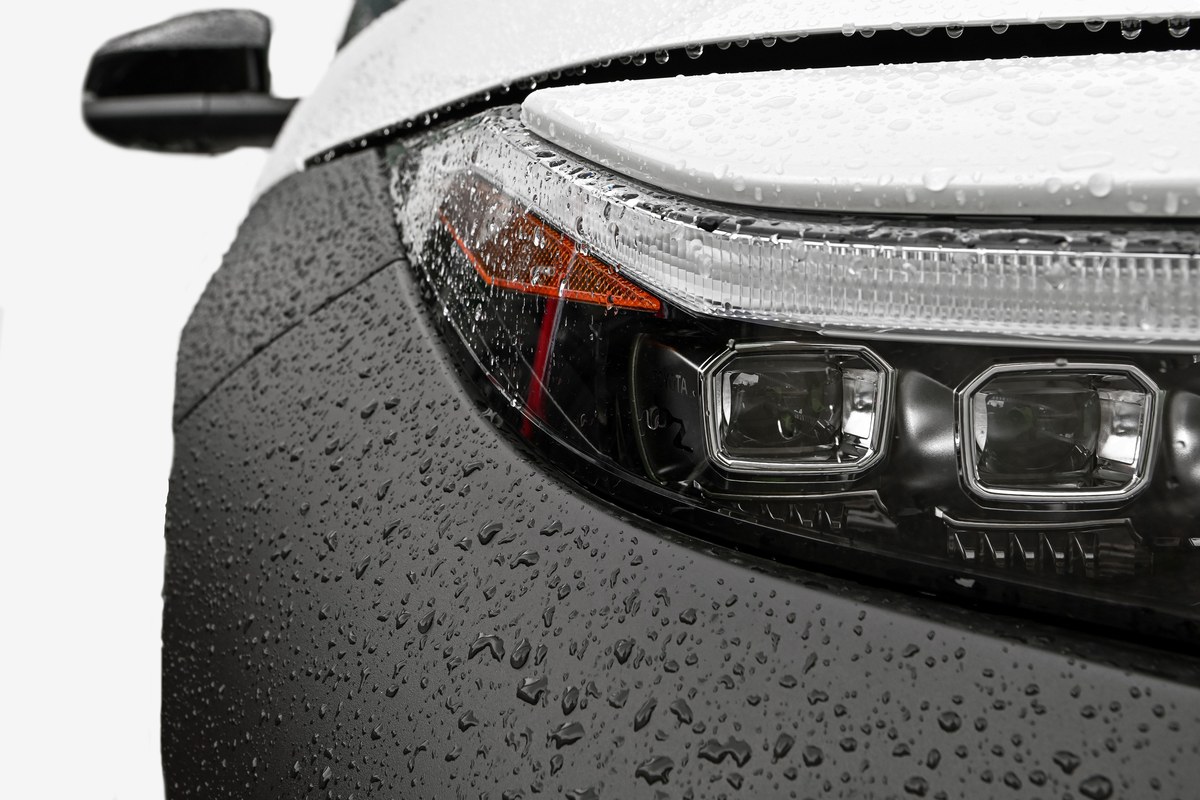
If your car’s headlights look like two cups of curdled yogurt instead of clear glass, the fix is sitting in your bathroom cabinet: a tube of toothpaste can bring back their clarity in about ten minutes. This isn’t some baseless internet myth — it’s genuine kitchen-sink chemistry that actually works, with one catch.
How to do it
- Wash the headlight with soap and water to remove dust and surface grime, then dry it thoroughly.
- Apply a thin layer of plain white toothpaste (not gel, and nothing with colored micro-beads) directly onto the headlight’s plastic surface.
- Rub in small circles with a microfiber cloth or an old toothbrush for one or two minutes, focusing on the most yellowed patches.
- Rinse with water and check the result. If it’s still hazy, repeat the process once more before giving up.
- Dry it well and, if you want the effect to last, follow up with a coat of car wax or a UV-protective sealant made specifically for headlights.
Why it works
Modern headlights aren’t made of glass — they’re molded from polycarbonate, a tough, impact-resistant plastic that replaced glass back in the 1980s precisely because it doesn’t shatter when a stray pebble hits it. Its weak spot is ultraviolet radiation: over the years, sunlight breaks down the factory protective coating and oxidizes the surface underneath, producing that telltale yellow haze. That haze isn’t just cosmetic — it can cut the light output of a headlight by as much as 80%, according to tests cited by the AAA Club Alliance in its breakdown of headlight-cleaning hacks, which turns a cloudy headlight into a genuine road-safety issue, not just an eyesore.
That’s where toothpaste comes in. Most brands contain very fine abrasive particles — hydrated silica, calcium carbonate, sometimes even aluminum oxide — designed to polish tooth enamel without damaging it. Rubbed onto headlight plastic, those same particles act like microscopic sandpaper: they scrape away the thin layer of oxidized polycarbonate and expose the clear plastic hiding underneath. It’s the exact same principle behind commercial headlight-restoration kits, just with a far cheaper abrasive you probably already own.
The catch is that the freshly exposed plastic is left completely unprotected from the sun, just like the layer that just oxidized. That’s why the effect usually lasts only one to two months before the haze creeps back: the moment you strip away the damaged layer, you’re starting from zero against UV rays, with none of the factory coating left to shield it. On top of that, toothpaste’s abrasive particles — ranging from 1 to 4 microns and far from uniform in size — aren’t calibrated for automotive surfaces, so they can leave microscopic scratches that aren’t visible at first glance but trap grime over time and speed the whole process back up.
The lasting fix isn’t repeating the trick every month — it’s sealing the plastic right after you polish it. A UV-blocking wax or a proper headlight-restoration kit with a protective topcoat makes the results last months instead of weeks. But if what you need is a quick fix before an inspection, a night drive, or a listing photo to sell the car, the toothpaste sitting in your bathroom right now can bail you out in less time than it takes to brush your teeth twice.