Picture this: your doctor hands you a box of pills. “There’s no active ingredient in these,” they say. “It’s pressed sugar. Take them anyway.” Would it matter? According to several serious clinical trials, not as much as you’d think: plenty of people get better regardless. The open-label placebo effect, it turns out, doesn’t need a lie to do its job.
The experiment that flipped the script
For decades, the assumption was simple: a placebo only “tricks” the body if the patient genuinely believes they’re taking a real drug. Take away the deception, and there’s supposedly no trick left to play. Harvard researcher Ted Kaptchuk decided to actually test that assumption, in a 2010 trial published in PLOS ONE.
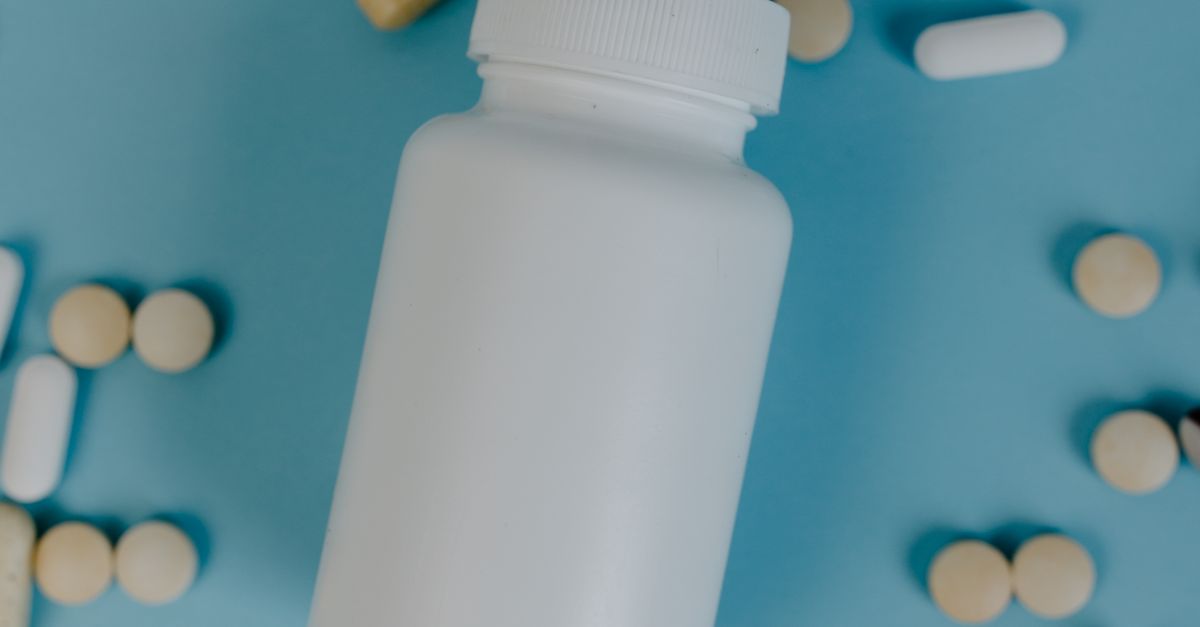
He recruited 80 patients with irritable bowel syndrome, a condition notoriously sensitive to stress and mood. One group got nothing at all. The other received a bottle labeled, in plain letters, “Placebo Pills.” They also got a clear explanation that there was no drug inside whatsoever, just an inert filler like cellulose, and instructions to take them twice a day regardless. On top of that, they were told that in other studies, placebos had produced real improvements through automatic mind-body processes, something like a Pavlovian reflex.
The result for this open-label placebo effect was striking. Patients who knew perfectly well they were swallowing sugar reported twice as much symptom relief as the group who took nothing. That wasn’t a rounding error. The gap was in the same ballpark as some real drugs used for the same condition.
Why does the open-label placebo effect work with zero deception?
The key seems to be that the brain doesn’t need to believe a lie. It just needs the full ritual: a medical authority figure, a careful explanation, and a fixed schedule for taking the pill. Add to that the feeling of actively doing something for your own health. That whole package activates expectation and pain-regulation circuits that are measurable, not imaginary. Later work collected in reviews of open-label placebo studies points the same way. Honestly explaining how the placebo effect works, instead of hiding it, doesn’t weaken it. In fact, it can reinforce it, because patients understand it’s not magic but a genuine physiological mechanism.
In other words, it’s not that your brain buys the story that the pill is medicine. It’s that the routine of taking care of yourself — pausing, taking something, paying attention to how you feel — already triggers part of the relief response. That happens even when you know the whole script in advance.
One important catch (and a little humor)
Before you flush your real medication, here’s the catch. The open-label placebo effect mostly works on subjective symptoms — pain, fatigue, nausea, anxiety, IBS discomfort. It works much less, or not at all, on objective measures like tumor size or blood cholesterol levels. Follow-up studies have found similar benefits for back pain, depression, allergic rhinitis, and ADHD, always as a complement, never as a replacement for real treatment.
So no, telling your boss your raise is “placebo” won’t trick your bank account into feeling richer. But next time a doctor prescribes something with care, a clear explanation, and an actual ritual around it, pay attention. Part of the improvement starts right there, well before the drug — or the lack of one — ever enters the picture. And if you’re curious about other tricks your own brain plays on you, don’t miss why your brain remembers the unexpected far better than routine.