
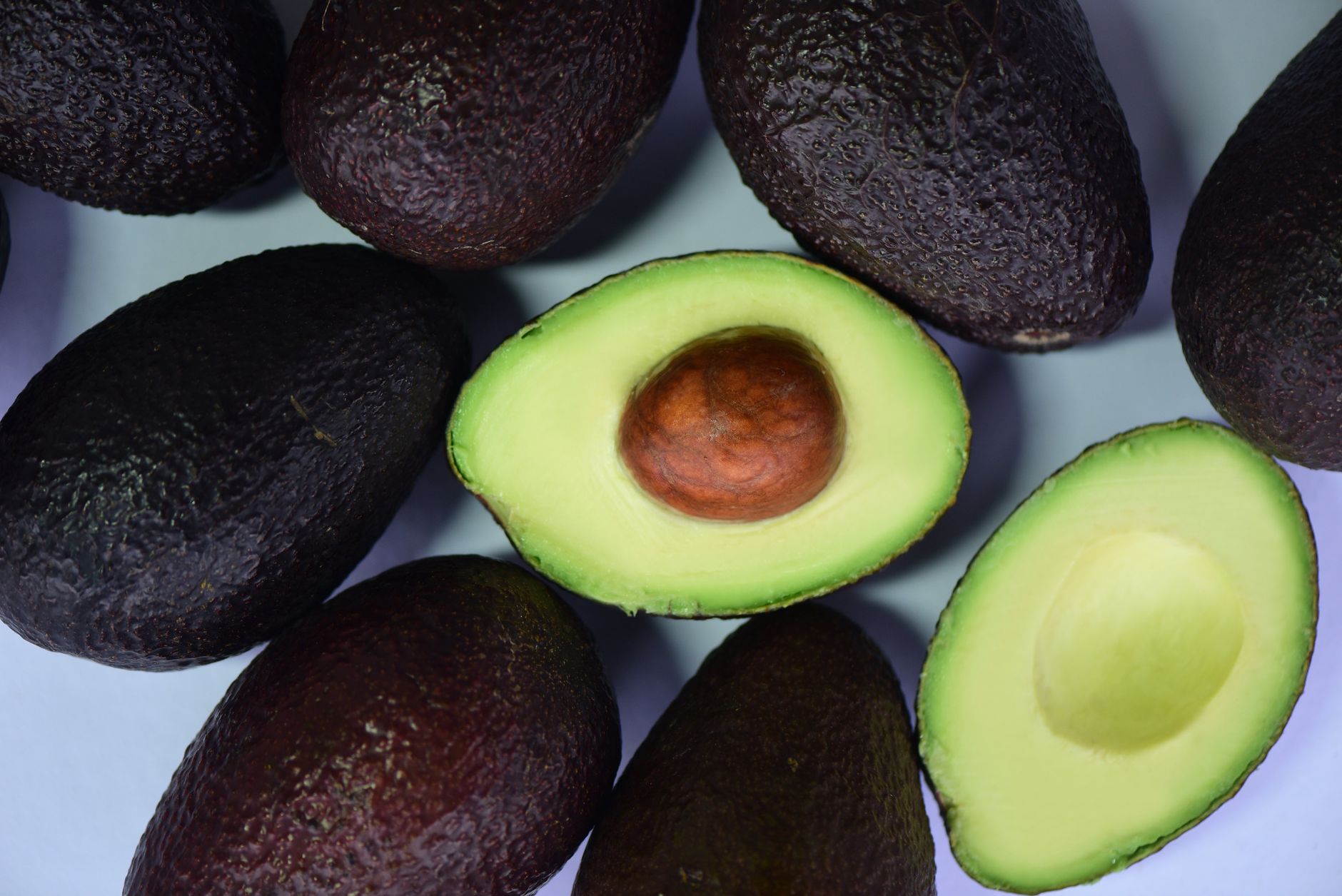
You cut an avocado, use half, and save the rest “for later.” Four hours later, you open it up. In fact, it looks like it’s been through an argument. It’s all brown, with that grayish-olive film you feel a bit guilty throwing away. Today’s onion trick costs nothing. It needs no cling film pressed onto the flesh. It doesn’t involve fussing with the pit, either — just a chunk of onion.
The onion trick: store your leftover avocado half in an airtight container along with a piece of onion. They don’t even need to touch. It will stay green far longer than if you leave it on its own.
How to do the onion trick
- Cut an onion — red or white, doesn’t matter — in half and keep one piece, even a small one.
- Place the avocado half and the onion piece in the same container. They don’t need to touch; they just need to share the same sealed pocket of air.
- Close the lid as tightly as possible and put it in the fridge.
- For extra insurance, add a few drops of lemon or lime juice on the flesh before sealing. Not essential, but it helps.
- The next day, before using it, just scrape off the thin top layer that may have darkened slightly (that’s normal). Underneath, the rest will still be nearly as green as when you cut it.
However, leaving the pit in isn’t the real secret. It only shields the exact patch of flesh it’s sitting on. The rest of the surface oxidizes just the same. The onion, on the other hand, works on the whole avocado at once, even from a distance inside the container.
Why the onion trick works
When you cut an avocado, you rupture its cells. That exposes an enzyme called polyphenol oxidase (PPO). The moment that enzyme meets oxygen in the air, it starts working. It converts the avocado’s natural phenolic compounds into molecules called quinones. Therefore, these link up with each other to form the brown pigments we all know too well. In fact, it’s the same chemical reaction — “enzymatic browning” — that darkens a bitten apple or a peeled potato.
In fact, this is where the onion comes in. Cutting it releases volatile sulfur compounds, including an amino acid called cysteine. These sulfur compounds are remarkably good at “distracting” the PPO enzyme. They can bind to the copper atom sitting in its active site, jamming its ability to function. Moreover, they also react directly with freshly formed quinones. That turns the quinones back into a colorless form before they can polymerize into brown pigment. In fact, all of this happens even without physical contact, because onion’s sulfur compounds are volatile. Meanwhile, they travel through the sealed air inside the container. There, they do their work from a distance, like a shared chemical shield.
Lemon, meanwhile, works through a different but complementary route. In fact, its citric and ascorbic acid lower the pH at the avocado’s surface. That’s an environment where PPO struggles to function. Moreover, ascorbic acid also acts as an antioxidant, “sacrificing” itself before the avocado’s own phenols get oxidized. That’s why combining onion with a splash of citrus multiplies the effect — you’re attacking the reaction from two directions at once.
A realistic caveat, though: no kitchen trick stops the clock entirely, it just slows it down a lot. If you see a thin darkened layer on the surface the next day, that’s completely normal. Just scrape it off with a spoon. Underneath, you’ll find flesh that’s practically as fresh as the day you cut it. However, one detail is worth mentioning too. Since the sulfur compounds involved are volatile but present in tiny amounts, the avocado doesn’t end up tasting like onion. Still, you can use it in guacamole, on toast, or with just a pinch of salt.
The science communication outlet Compound Interest breaks this reaction down nicely. It explains why certain compounds — like onion’s sulfur compounds or ascorbic acid — manage to slow it down. Meanwhile, other popular tricks, like leaving the pit in, do little beyond covering one small spot.
So next time you’ve got half an avocado left over, skip the cling film pressed onto the flesh. Moreover, besides being messy, it also generates a fair bit of single-use plastic. Reach instead for a chunk of onion you probably already have in the fridge. And if it’s half a banana you need to save, the same air-isolating logic applies. In fact, the plastic wrap trick for bananas works the same way. Tomorrow’s guacamole will thank you.