
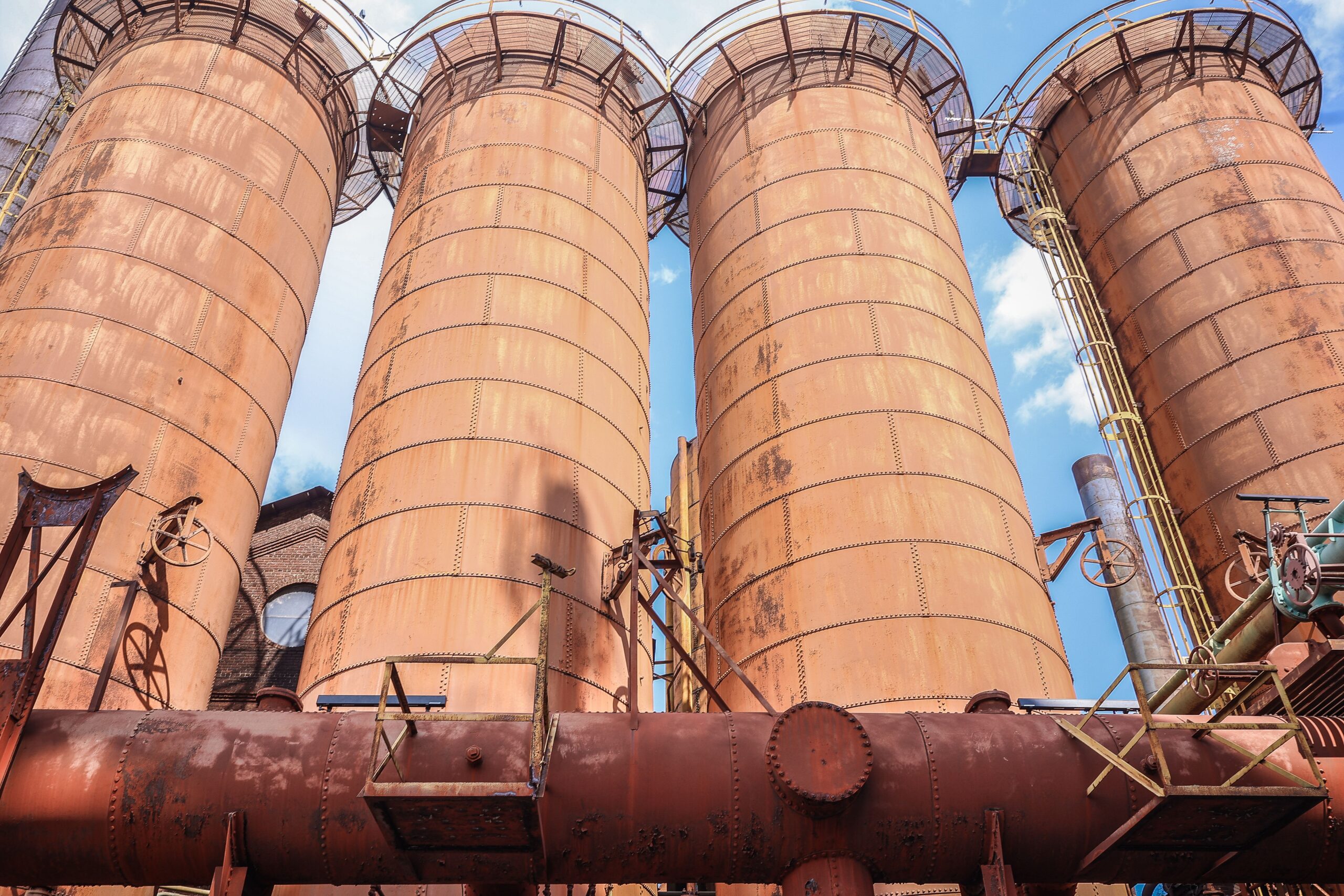
On January 15, 1919, in the dead of a Boston winter, a metallic groan shook the North End neighborhood — the start of what would become known as the Great Molasses Flood. It wasn’t an earthquake or a gas explosion: it was a tank holding 2.3 million gallons of molasses ripping apart at the seams and unleashing a wave nearly 15 feet tall, barreling through the streets at over 35 miles per hour. Yes, molasses. The same stuff you drizzle on pancakes. And yes, it killed 21 people.
A tank that never should have been built like that
The culprit was United States Industrial Alcohol, a company importing molasses from the Caribbean to distill industrial alcohol for munitions and liquor during World War I. With demand skyrocketing, in 1915 the company threw up a 50-foot steel tank in a rush, right in the middle of the city. The build quality was so poor that, according to History.com, nobody even properly tested whether the steel could handle the pressure of the liquid. In fact, at least one worker had already warned that the structure was groaning and leaking molasses from its joints. The company’s fix was to paint it brown so the leaks wouldn’t show: twentieth-century engineering at its finest.
Two days before the disaster, a fresh shipment of Caribbean molasses had arrived, warmer than what was already sitting in the tank. That temperature gap, as it turns out, would prove crucial.
The Molasses Flood moves at highway speed
When the tank finally gave way, it didn’t leak, it exploded. The wave of molasses tore the elevated train tracks clean off their supports, knocked down a firehouse, crushed horses, and tossed freight cars around like toys. Anyone caught in its path was literally trapped in the sticky liquid, which was also cooling and thickening by the second, making rescue efforts brutally slow. Emergency crews spent days pulling victims out from under layers of hardened molasses, and weeks cleaning up the city afterward. In fact, locals swear Boston Harbor smelled like burnt caramel all through the following summer.
For decades, the whole thing was treated almost as a punchline (“they drowned in molasses, ha”), without anyone really understanding how such a thick liquid could move that fast and turn that deadly.
The physics that took a century to solve the mystery
The answer finally arrived nearly a hundred years later, in 2016, when a Harvard team made up of Nicole Sharp, Jordan Kennedy, and Shmuel Rubinstein rebuilt the disaster at scale inside a refrigerated lab, using cold corn syrup to mimic how molasses behaves. According to ScienceDaily, they found that molasses acts as a non-Newtonian fluid: its viscosity shifts depending on temperature and the forces acting on it, the same way ketchup or cold honey behaves.
The disaster actually unfolded in two phases. On initial impact, the freshly released molasses was still warm thanks to that recent shipment. As a result, it flowed almost like a mudslide, hitting that brutal speed of over 35 mph within seconds. However, once it met the freezing January air, it cooled almost instantly and turned far more viscous, trapping anyone who’d survived the first hit as if they’d been caught in wet cement. It was actually that second phase, slow but merciless, that killed most of the victims.
What’s left today
The lawsuit that followed, one of the first major corporate liability cases in American history, took six years to settle and involved more than 3,000 witnesses. In addition, it forced the company to pay out damages worth roughly $8 million in today’s money. Today, a small plaque marks the exact spot where the tank behind the Molasses Flood once stood. Old-timers in the North End still swear that on especially hot days, you can catch a faint whiff of something sweet in the air. Boston isn’t the only city carrying an industrial scar that’s still active: in Centralia, Pennsylvania, an underground fire has been burning since 1962. Probably just an urban legend, but after reading all this, who’s brave enough to go check?