
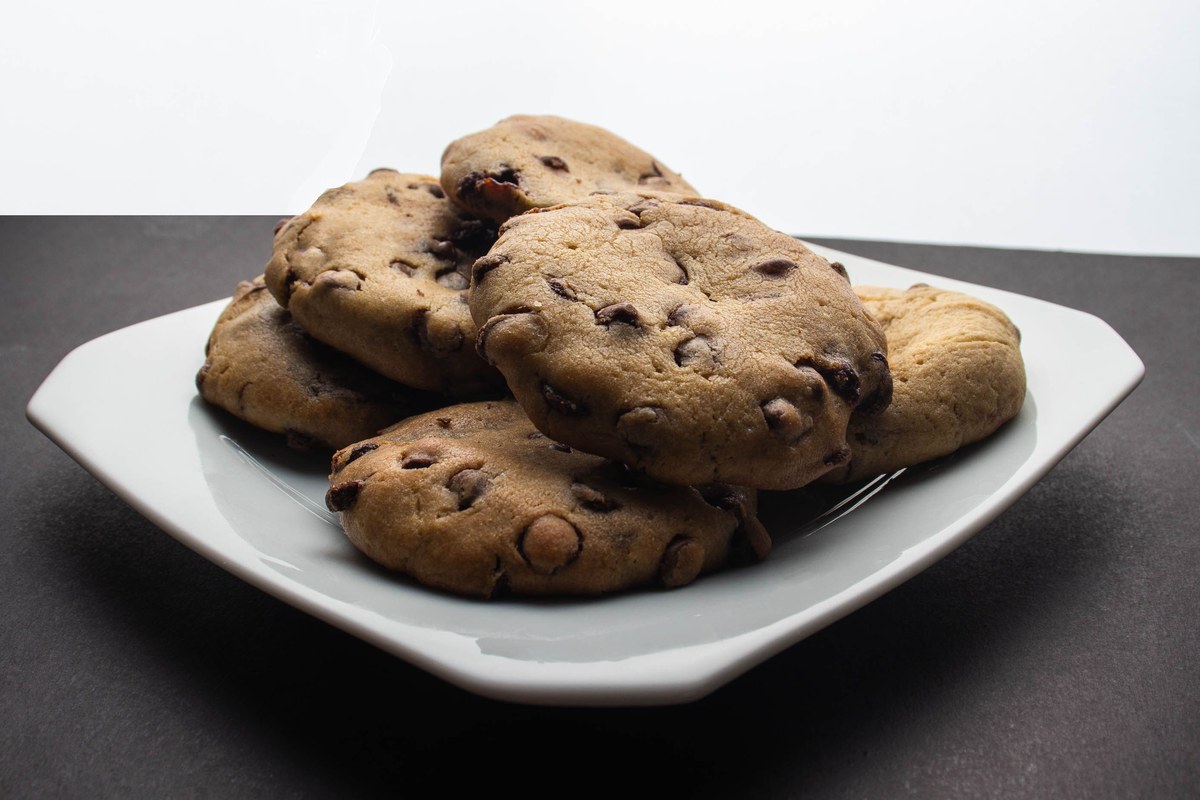
Try explaining to someone that the cookie they’re eating started out as a fizzy water bottle and some leftover corn stalks from the harvest. It sounds like a lab prank, but that slightly surreal future is already here. A team of American researchers, backed by NASA, has created recycled plastic cookies from PET bottles and agricultural waste, transformed by genetically engineered yeast and then 3D-printed into shape. They’re called µBites, and they could one day feed astronauts on long-duration missions and people in disaster-hit areas alike.
How Recycled Plastic Cookies Are Made
The process, developed by Lahiru Jayakody, an associate professor at Southern Illinois University Carbondale, together with graduate student Sandhya Jayasekara, starts with a technique called oxidative hydrothermal dissolution. It sounds like a secret lab formula, and in a way, it is. PET plastic — the kind used in most drink bottles — and plant biomass such as discarded corn stalks and leaves get blasted with water and oxygen at extremely high temperature and pressure. What comes out the other end is a broth of small molecules that would be utterly inedible to us, but is basically a buffet for certain strains of yeast.
That’s where the genetic engineering comes in. The researchers programmed different strains of baker’s yeast so that, as they feed on those molecules, they churn out proteins, fats and other compounds the body can actually use. One strain converts ethylene glycol — one of PET’s basic building blocks — into beta-carotene, the same orange pigment found in carrots, which the human body later converts into vitamin A. Another strain, fed on plant biomass, produces vanilla flavoring directly. Yes, the vanilla in your next dessert could theoretically have come from a yeast that was, quite literally, eating a bottle a moment earlier.
3D-Printed, But Still Waiting for a First Bite
Once these ingredients are ready, the team mixes them with fiber, starch and a sweetener, then pushes the resulting paste through a food-grade 3D printer to produce µBites: small recycled plastic cookies with a uniform texture. Every µBite is designed to pack the maximum amount of nutrients into the smallest possible volume — a key feature when every gram sent into space costs a fortune. The researchers presented their findings at the fall meeting of the American Chemical Society in Chicago, where they explained that composition analyses suggest the cookies are safe for human consumption.
There is, however, one small detail still to be settled: nobody has actually tasted them yet. The team is waiting for approval from its institutional ethics board before running the first official taste tests. So for now, we know µBites are nutritious on paper, but not whether they taste anything like a real cookie — or, frankly, like anything at all.
Why NASA Cares (and Why the Rest of Us Should Too)
The project was partly born out of NASA’s Deep Space Food Challenge, an international competition looking for ways to produce food with the least possible resources and waste during long-duration missions. A future trip to Mars is one example, where resupplying from Earth simply isn’t an option. However, the idea has a second, far more down-to-earth goal: turning two problems into one solution. On one side there’s the ever-growing mountain of plastic waste we keep producing; on the other, food insecurity in disaster zones or places with limited access to fresh crops.
If the technology behind these recycled plastic cookies manages to scale beyond the lab, the same yeast that today feasts on a soda bottle could change roles entirely. Tomorrow, it could help feed someone who genuinely needs it, far from any rocket launch. And if you’re ever offered a µBite, maybe the most natural question to ask before taking a bite is whether it used to be a one-liter bottle or a one-and-a-half.