
Ötzi is the famous “Iceman” who has spent more than 5,300 years mummified in an Alpine glacier. He just became the unlikely star of a scientific first: researchers used mummy yeast living on his own body to bake bread. Actual bread, crust and all.
The discovery appeared in the journal Microbiome, from a team led by researcher Mohamed Sarhan at Eurac Research in Bolzano. However, it didn’t involve finding forgotten crumbs in the mummy’s stomach. It was something far subtler: living yeast quietly colonizing his skin, his gut, and the meltwater released when he was partially thawed for study.
Four strains of yeast, three months of failed attempts
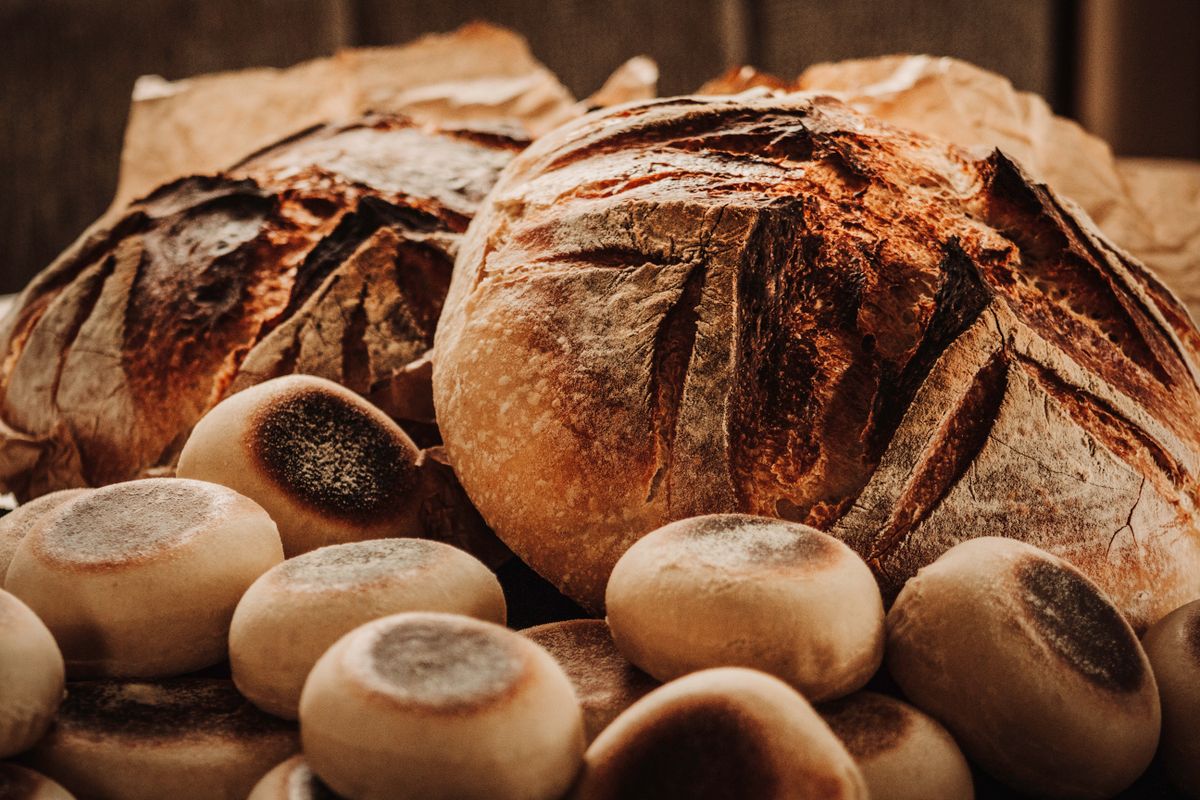
The team isolated four distinct cold-adapted yeast species. They picked one and tried the obvious experiment: turning it into a sourdough starter. The first batch didn’t rise. Neither did the second. It took three months of trial and error before they landed on a culture that fermented normally. In fact, the dough puffed up in about 24 hours, roughly the same time you’d expect from yeast bought at any supermarket.
The result, in the team’s own words, was “very, very good.” No half-baked lab curiosity here. This loaf had real flavor and texture. It was baked with mummy yeast that had spent years quietly rubbing shoulders with one of the most studied corpses in history.
One important catch: this mummy yeast isn’t 5,300 years old
Here’s where the real curiosity parts ways with the exaggerated headline. Ötzi died roughly 5,300 years ago, but that doesn’t mean the yeast has been sitting there alive and waiting ever since. The samples were taken in 2010 and 2019. Still, Sarhan himself admits there’s very little evidence these microorganisms survived dormant for millennia. The more likely explanation is that they’re fairly recent colonizers, settling in after the body’s discovery in 1991 or even later. Therefore, they took advantage of a cold, nutrient-rich habitat that few yeasts ever get the chance to explore.
In other words, the real age of this story isn’t in how old this mummy yeast is. It’s in how strange the place is where it’s been quietly living its best life without anyone noticing. Something similar happens in Longyearbyen, the Norwegian town where extreme cold also keeps bodies from decomposing for decades.
And it eats chemicals, too
As if bread weren’t headline enough, researchers discovered something else: one of the four yeast strains can break down phenol. Moreover, this disinfectant was used precisely to stop fungal growth on the mummy after its discovery. In other words, the preservation treatment itself accidentally produced a microorganism capable of cleaning up its own poison. Scientists are now exploring whether this yeast could help decontaminate phenol-polluted soil or water in the real world. Moreover, they’re even considering using the same strains to brew beer.
Between the bread, the potential beer, and the chemical cleanup crew, there’s a lot going on with Ötzi. He has become the raw material for a small factory of scientific curiosities, five millennia after freezing to death on a mountainside. Not bad for someone who’s been dead longer than most civilizations we know of.