
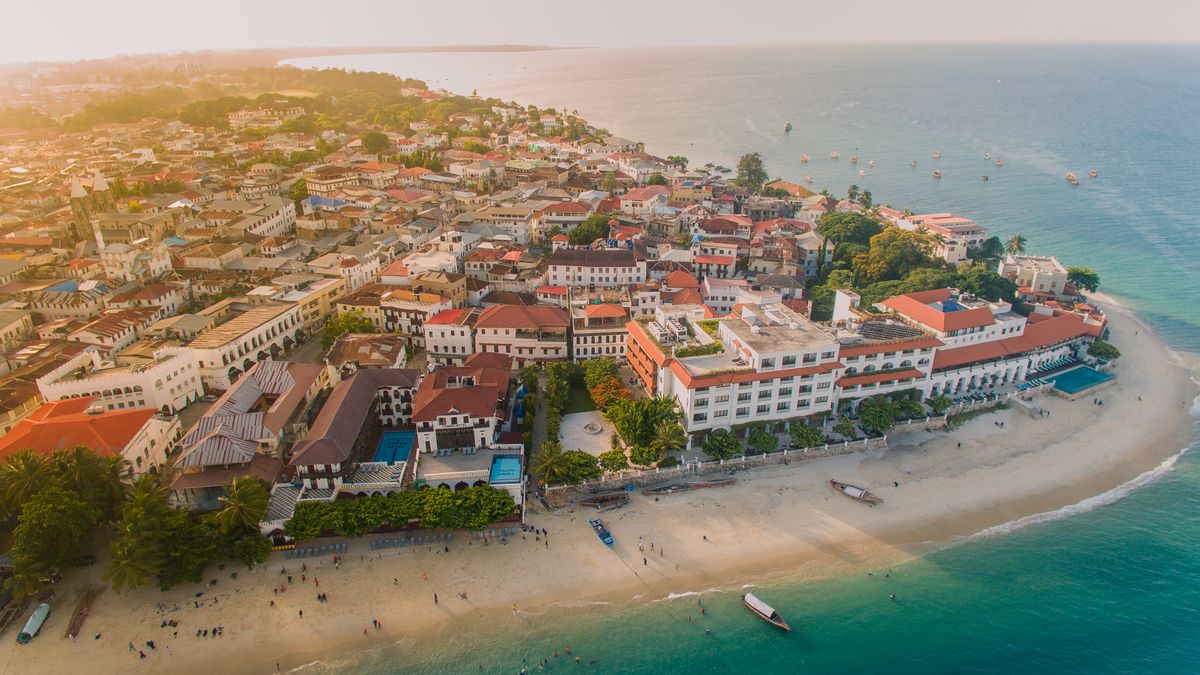
On August 27, 1896, just after nine in the morning, a war began. By nine forty, it was over. That 38-minute war between the British Empire and the Sultanate of Zanzibar — sources from the time disagree by a few seconds, which honestly doesn’t change much — today sits in the Guinness World Records as the shortest war in history. Shorter than a football match with no added time.
A sultan with a shorter shelf life than milk
The spark behind this 38-minute war, as so often happens, was a succession dispute with a heavy dose of colonial politics behind it. Sultan Hamad bin Thuwaini, a ruler comfortable enough for British interests on the island, died suddenly on August 25, 1896, under circumstances that already smelled suspicious at the time. Hours later, his cousin Khalid bin Barghash moved into the palace and declared himself sultan, without waiting for London’s blessing.
The catch was an 1886 treaty requiring any new sultan to get the British consul’s approval before taking the throne. Khalid ignored it completely. Britain, already wary of his ties to German interests in the region, was not pleased.
An ultimatum that fit in one paragraph
British consul Basil Cave gave Khalid a brutally simple ultimatum: surrender by nine in the morning on August 27, or the Royal Navy would open fire on the palace. Khalid, convinced the ships wouldn’t actually shoot — perhaps the costliest miscalculation of his life — dug in with roughly 2,800 men, some outdated artillery, and the late sultan’s personal yacht, the HHS Glasgow, pressed into service as an improvised warship.
Waiting offshore were five British warships under orders to open fire the moment the clock struck nine. And they did: at 9:02, the guns began pounding the wooden-and-coral palace. By 9:40, the building was smoking rubble and the sultan’s yacht lay sunk in the harbor.
A 38-minute war, but not a harmless one
Brevity didn’t mean it was bloodless: an estimated 500 people died, the vast majority Zanzibari defenders and civilians caught inside the palace grounds. On the British side, the only casualty was one injured sailor. Khalid slipped out a back door the moment shooting started and took refuge in the German consulate, from which he was smuggled out of the country months later aboard a German warship bound for the East African mainland.
After the surrender, the British installed a sultan more to their liking, Hamud bin Mohammed, who would rule the island for the next six years under close British oversight. Zanzibar remained, in practice, a protectorate wearing the costume of a monarchy.
Why this 38-minute war still gets talked about
What makes the story stick isn’t just how short it was, but how thoroughly it was documented: an exact start time, an exact end time, detailed naval reports, even the name of the ship that went down. Few wars in history come with such a precise stopwatch. Moreover, the episode is a sharp snapshot of how late-19th-century colonial power actually worked: a treaty signed thousands of miles away could decide, in a matter of minutes, who sat on a throne on the other side of the world.
If you like unusual records, this isn’t the only “shortest ever” title out there: the world’s shortest commercial flight lasts just 90 seconds. Next time someone complains that a work meeting “dragged on forever,” feel free to remind them there was once an entire war that didn’t even last as long as a coffee break. Verified details on the conflict are available via Encyclopaedia Britannica.
1 thought on “The 38-Minute War Between Britain and Zanzibar”