
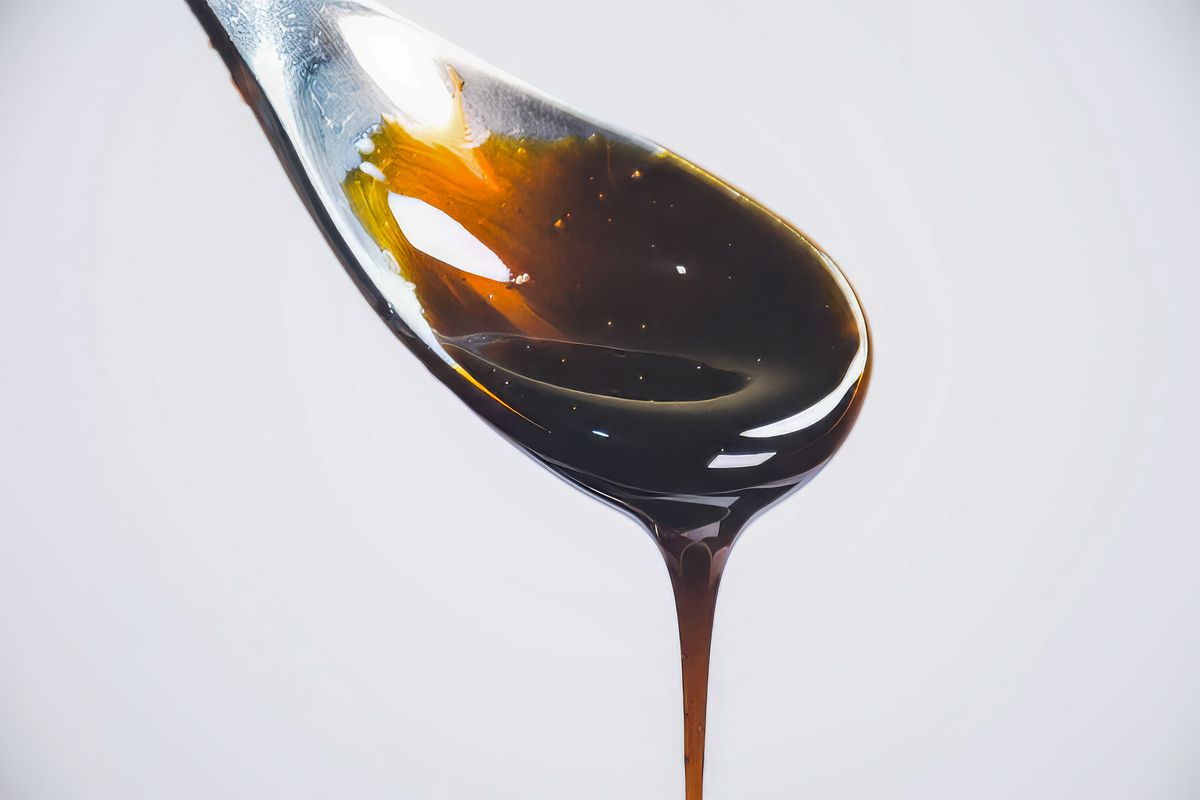
On January 15, 1919, a wave more than four meters tall tore through Boston’s North End at roughly 35 miles per hour. It wasn’t water. It wasn’t even a normal liquid. It was molasses. Over 2.3 million gallons of thick, dark syrup burst out of a ruptured storage tank and killed 21 people. Yes, you read that right: molasses — the stuff we associate with gingerbread and baking — is behind one of the strangest, deadliest industrial disasters in American history.
A tank that should never have been built like that
The culprit was a 50-foot-tall steel tank owned by the Purity Distilling Company, a subsidiary of U.S. Industrial Alcohol, which used the molasses to make industrial alcohol (and, with Prohibition about to kick in, rum). The tank had been thrown up in a hurry years earlier, and nobody ever properly checked whether the steel could handle the pressure at full capacity. It couldn’t. Every time it was filled to the top, the structure groaned and leaked molasses through its seams — and the company’s fix was to paint the tank brown so the leaks wouldn’t show, according to Boston’s official retrospective on the disaster published by Boston.gov.
Two days before the disaster, a fresh shipment of warm molasses had arrived from the Caribbean and been added on top of what was already sitting in the tank. Combined with a sharp temperature swing that January and the built-up pressure, the rivets gave way all at once. Witnesses — several of them veterans just back from World War I — said the sound of rivets popping out was identical to machine-gun fire.
Why a wave of syrup killed 21 people
This is where it gets genuinely fascinating. In 2016, a team of Harvard researchers (Nicole Sharp, Jordan Kennedy, and Shmuel Rubinstein) recreated the disaster in the lab to figure out exactly why it was so lethal, running cold corn syrup through a scale model of the neighborhood inside a refrigerated room, as described in the research summary published by ScienceDaily.
The key is that molasses is a non-Newtonian fluid — its viscosity changes depending on the force applied to it. The instant the tank burst, the still-fairly-warm molasses behaved almost like water for the first thirty seconds or so, forming a genuine tsunami that flattened buildings, train cars, and the local firehouse. But as it spread through Boston’s freezing January streets, it cooled and thickened rapidly, turning nearly as dense as wet cement. People who survived the initial impact found themselves literally trapped in the syrup, unable to move as it hardened around them — which turned the rescue effort into a nightmare that dragged on for days.
The lawsuit that changed how Boston builds things
The court case that followed was one of the longest in Massachusetts history at the time: six years of investigation, more than 3,000 witnesses, and 45,000 pages of testimony. A special auditor concluded the tank should never have been approved as built, and the company was forced to pay damages to victims and their families. The disaster also left a lasting mark: cities like Boston began requiring that blueprints for large industrial structures be reviewed and signed off by licensed engineers before construction — a safeguard we now take completely for granted.
More than a century later, longtime North End residents still swear that on hot summer days you can catch a faint sweet smell drifting near where the tank once stood. It’s almost certainly just urban legend — but it’s the kind of legend that, once you know the real story, is hard not to half-believe.