
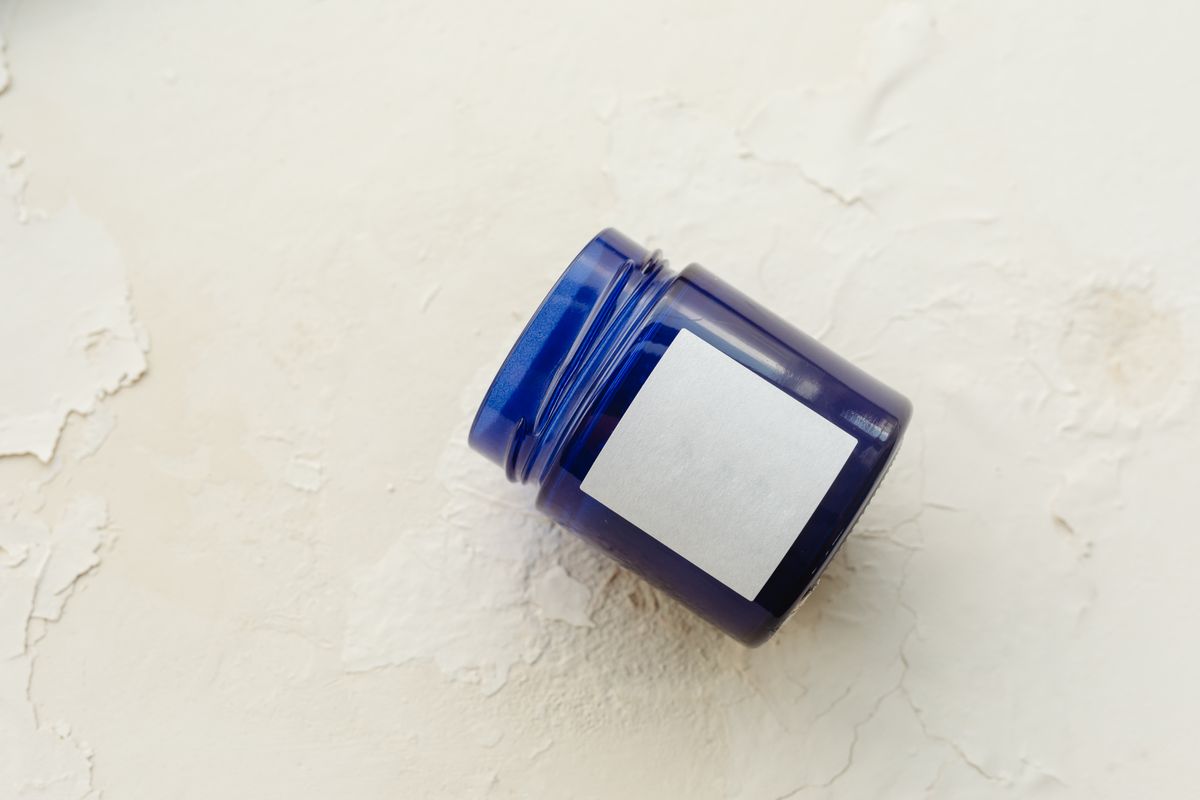
This trick to remove stubborn stickers sounds too simple to actually work: if you’ve got a label stuck to a jar, a box, or basically anything, don’t go at it with your fingernails like it owes you money. Plug in a hair dryer, give it a few seconds of hot air, and the label peels off almost by itself, as if it suddenly changed its mind.
How to Remove Stubborn Stickers Step by Step
- Set the hair dryer to medium-high heat and hold it about 4-6 inches (10-15 cm) from the sticker.
- Move the air in circles over the label for 30-40 seconds, without parking it on one spot so you don’t scorch the surface underneath.
- Touch the sticker: if it feels warm and slightly soft, start lifting a corner with your nail or a plastic card.
- Pull slowly at a low angle, almost parallel to the surface, and give it another blast of heat if it starts fighting back.
- If any residue is left behind, a dab of cooking oil or rubbing alcohol will clear it in seconds once the paper part is out of the way.
It works great on glass, hard plastic, and metal. Be more careful on varnished wood or painted plastic, since the same heat that softens the glue can leave marks if you linger too long or get too close. If it’s the jar’s lid putting up a fight instead of the label, the hot water trick for opening a stuck jar relies on the exact same thermal logic.
Why It Actually Works
The glue on most commercial labels is a pressure-sensitive adhesive (PSA), the same family of material used in tape and sticky notes. These adhesives are polymers that behave very differently depending on temperature, and the value that marks that shift in behavior is called the glass transition temperature.
Below that temperature, the adhesive is relatively stiff and brittle: when you pull on the sticker, the glue snaps into little fragments that stay stuck to the surface instead of coming away cleanly with the paper. That’s exactly what happens when you try to rip an old sticker off cold and end up with half the jar covered in gluey crumbs.
What Happens When You Apply Heat
Crank up the temperature with the dryer, and the adhesive’s polymer chains gain mobility, pushing the material into a softer, more viscous state. At that point, instead of fracturing, the glue flows and gives way as a whole, letting the label come off intact and leaving almost no trace. It’s the same principle behind “heat-release” industrial tapes: manufacturers heat the adhesive past its transition point specifically so parts can be separated without damage, as described in the technical overview of pressure-sensitive adhesives.
That also explains why the trick has a sweet spot: too little heat and the adhesive stays stiff, snapping just like it would in the cold. Too much heat, meanwhile, risks warping plastic or scorching varnish before the glue even lets go. That’s why it pays to keep the dryer moving in circles and check the sticker every few seconds instead of blasting it on one spot.
The nice part about this trick to remove stubborn stickers is that it isn’t some unfounded household myth — it’s the exact same physics tape manufacturers rely on when they engineer adhesives that release cleanly under heat, just applied with the hair dryer sitting in your bathroom. Next time a label refuses to budge, you already know what to do before reaching for a knife: warm it up a little and let thermodynamics do the dirty work.