
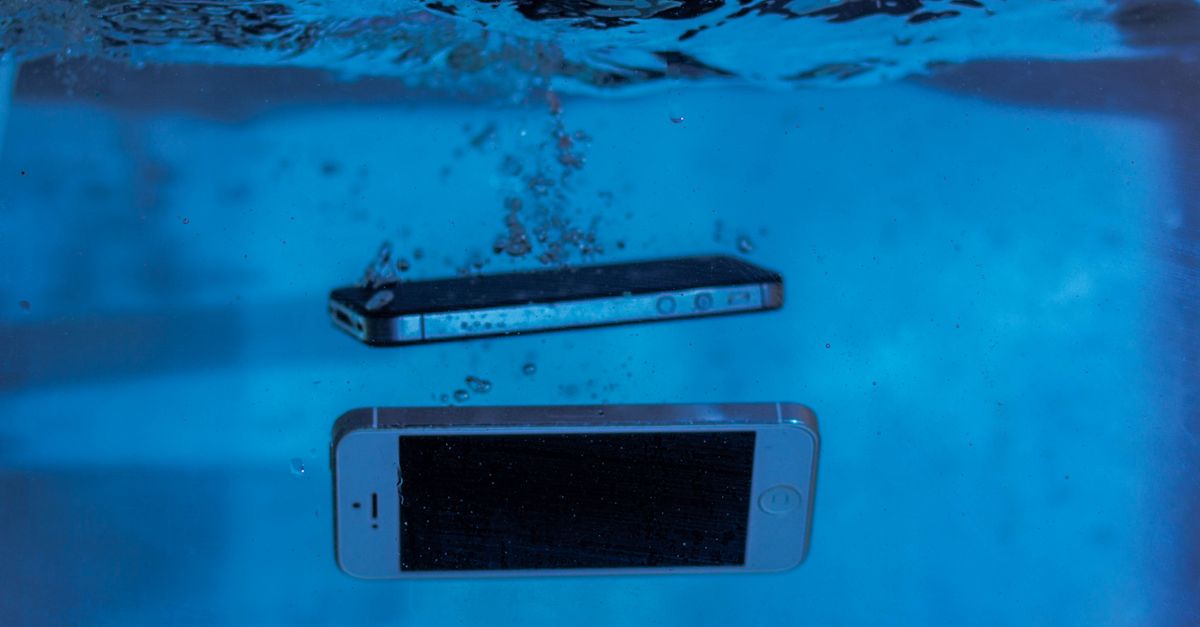
Your phone takes a swim in the toilet, a puddle, or someone’s spilled coffee. Half the planet reacts the same way: dry it off, then bury it in a jar of rice for 24 to 48 hours. It’s the advice you’ve heard from the store clerk, your uncle at the family barbecue, basically everyone. The catch is that we’ve all been getting the one step that actually matters wrong for decades — and the rice trick can even finish the phone off.
What Apple actually says (and it’s not just an opinion)
On its official support page about liquid-detection alerts, Apple explicitly warns against putting your iPhone in a bag of rice, because tiny particles of rice can work their way into the speaker, microphone, or charging port and damage the device from the inside. This isn’t a style preference — it’s a technical warning straight from the manufacturer, and Samsung and others have issued similar ones over the years.
Why rice sort of works — just way too slowly
Dry rice is genuinely hygroscopic: it pulls moisture from the surrounding air and traps micro-droplets on its rough, starchy surface. In theory, sealing a wet phone in a container with rice lowers the relative humidity inside and creates a gradient that should draw water out. The problem is speed: rice absorbs painfully slowly, while corrosion on internal components can start within minutes, not hours. By the time the rice has done anything meaningful, the electrical damage is already done.
On top of that, modern phones carry water-resistance ratings (IP67, IP68, and so on) built from seals and adhesives designed to keep liquid out. If water still got in despite all that, it found one very narrow, specific path — and that same narrowness is exactly why rice, or almost anything else sitting outside the phone, can’t realistically dry it out in a couple of days.
What to do instead
- Power it off immediately. A live circuit plus water is the combination that causes short circuits and accelerated corrosion; a powered-down, wet circuit stands a much better chance of surviving.
- Don’t charge it or turn it on until you’re sure it’s dry inside, and definitely don’t plug in a cable while the port is still damp — the pins can corrode and stop working entirely.
- Wipe it dry on the outside and stand it upright with the charging port facing down, so gravity helps any trapped water drain out.
- Leave it somewhere dry and well-ventilated for 24 to 48 hours before trying to turn it on. Plain dry air, no rice required, does most of the real work.
- If you want a hygroscopic assist, reach for silica gel packets — the little pouches that come in shoeboxes or electronics packaging — instead of rice. They absorb more moisture and don’t shed solid particles that can wedge into the phone’s openings.
The irony is that the real reason “the rice trick worked” so often is the least exciting explanation of all: plenty of phones survive no matter what you do to them, thanks to their own water resistance or because the exposure was brief. When the phone powers back on the next day, we credit the rice instead of the engineering inside the device or plain old evaporation. So next time your phone takes an unplanned bath, skip the trip to the pantry: power it down, dry it off, give it real time in dry air, and if you can, spend those minutes hunting down actual silica gel instead.