
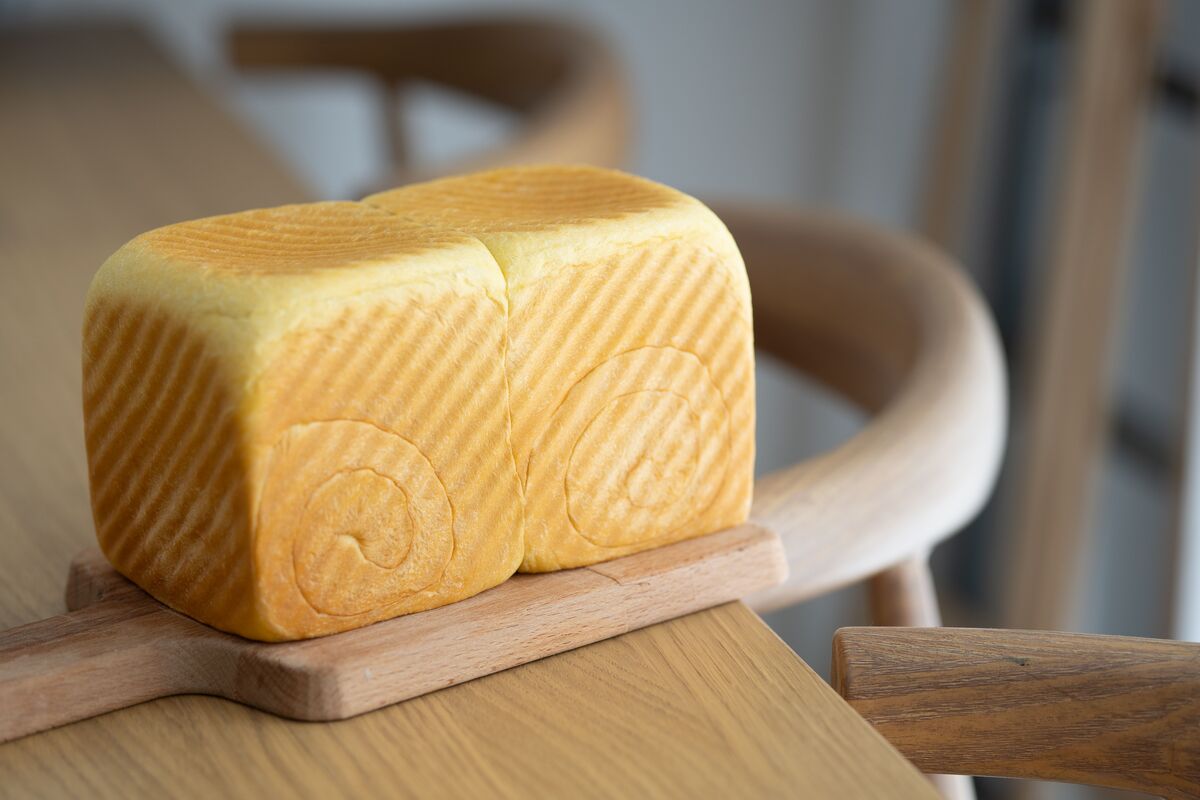
If you’ve got yesterday’s loaf sitting on the counter and your gut says “pop it in the fridge to keep it fresh,” stop right there — you’re about to do the one thing that turns soft bread into a brick faster than anything else. It sounds backwards (isn’t the fridge supposed to preserve food?), but bread in the fridge does the exact opposite of what you’d expect.
How to actually do it
- Eating it within a day or two? Leave it at room temperature, in its paper or cloth bag, or in a bread box. Never in the fridge.
- Need it to last longer than that? Freeze it. Slice the loaf before it goes in the freezer so you can pull out only what you need.
- To thaw it: drop slices straight from the freezer bag into the toaster, or leave a whole loaf at room temperature for a couple of hours. Don’t thaw it in the fridge.
- Already gone a bit stale (but not moldy)? A blast of heat can rescue it: a few seconds in the microwave wrapped in a damp cloth, or a few minutes in the oven, will soften the crumb right back up.
In short, bread really only has two good homes: the counter or the freezer. The fridge — that lukewarm zone in between — is actually the worst option of all. If you want more ways to keep bread fresh longer, check out more tricks for keeping bread fresh.
Why bread in the fridge goes hard so fast
Bread doesn’t go stale because it dries out, as most people assume — the crumb keeps almost the same moisture it had the day it left the oven. What’s actually happening is a process called starch retrogradation. When bread bakes, heat and water break apart the tightly packed crystalline structure of the flour’s starch, leaving it loose and disordered — that’s what gives fresh bread its soft, springy bite. But that loose structure isn’t stable. Over time, the starch molecules (amylose and amylopectin) slowly re-align themselves back into an ordered, crystal-like network, locking the water away inside instead of leaving it free in the crumb. The bread ends up feeling dry and hard even though the water never actually left — it’s just been taken hostage.
Here’s the key part: that re-crystallization doesn’t happen at the same speed at every temperature. It barely happens at room temperature, it’s essentially frozen in place below 0°C (32°F), but it speeds up dramatically right in the range of a home refrigerator, roughly 0 to 5°C (32-41°F). A Chowhound report cites a study in which a sourdough loaf stored in a bag in the fridge turned 68% more stale than an identical loaf left on the counter, while a regular wheat loaf went 34% more stale in the fridge than at room temperature. In other words, refrigerating bread “to make it last” can turn it rock-hard in a single day — something that would otherwise take nearly a week at room temperature.
The freezer, on the other hand, skips this problem entirely: at very low temperatures, starch molecules barely have enough energy to move around and reorganize, so retrogradation grinds almost to a halt. That’s why a properly frozen-and-thawed loaf can taste nearly as fresh as day one, while a loaf that spent just one night in the fridge already feels chewy and tired.
Moral of the story: next time you’ve got leftover bread, treat it like ice cream, not like a pack of deli ham. Tomorrow-morning you, standing at the toaster, will thank you.