
Why Onions Make You Cry: The Chemical War You Lose

Every time onions make you cry, your body is reacting to a real gas. Discover the chemistry behind it and how to stop it.
Every time onions make you cry, your body is reacting to a real gas. Discover the chemistry behind it and how to stop it.

Contagious yawning spikes in winter and nearly vanishes in summer: science explains why your brain decides when to catch one.
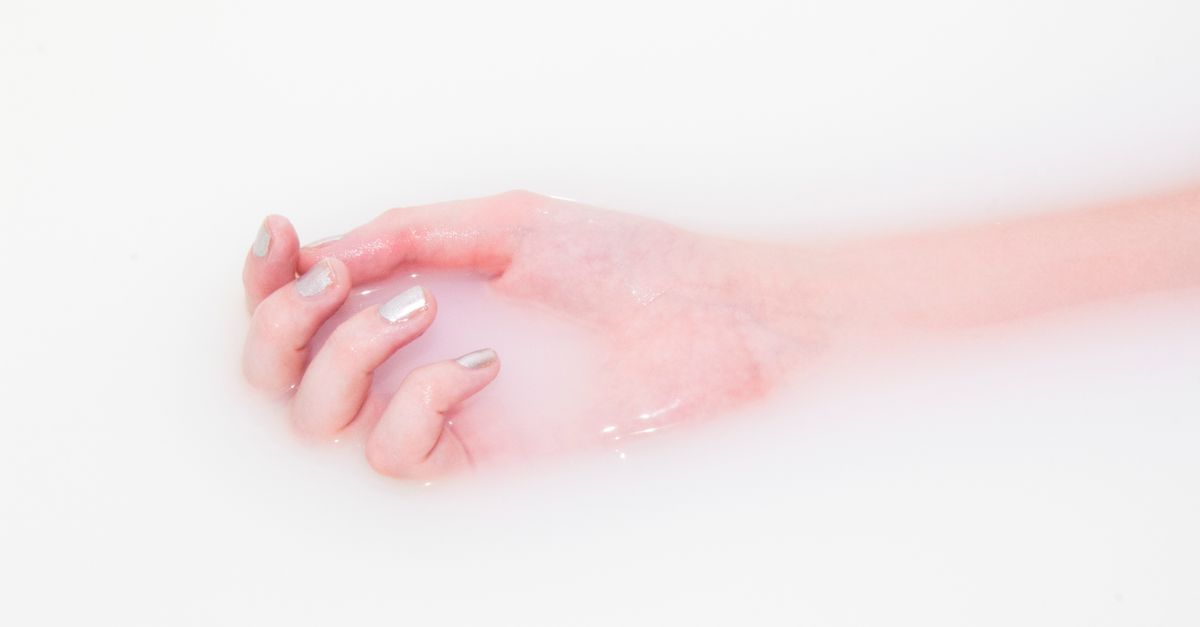
Your wrinkled fingers in water aren’t swollen skin: they’re a nerve reflex that boosts grip, as science has now confirmed.

Mirrors flip left and right, or so everyone assumes. Physics says otherwise, and the real explanation is stranger than you think.

Brain freeze can strike within seconds of fast ice cream, and scientists still debate whether a nerve or artery is to blame.

Your cerebellum predicts your own movements, which is exactly why you can’t tickle yourself, here is the neuroscience behind it.

Why cats purr has nothing to do with the brain: scientists found the real mechanism after fifty years of a wrong theory.

Neuroscience finally explains déjà vu: a brief mismatch between your hippocampus and rhinal cortex that tricks your brain.
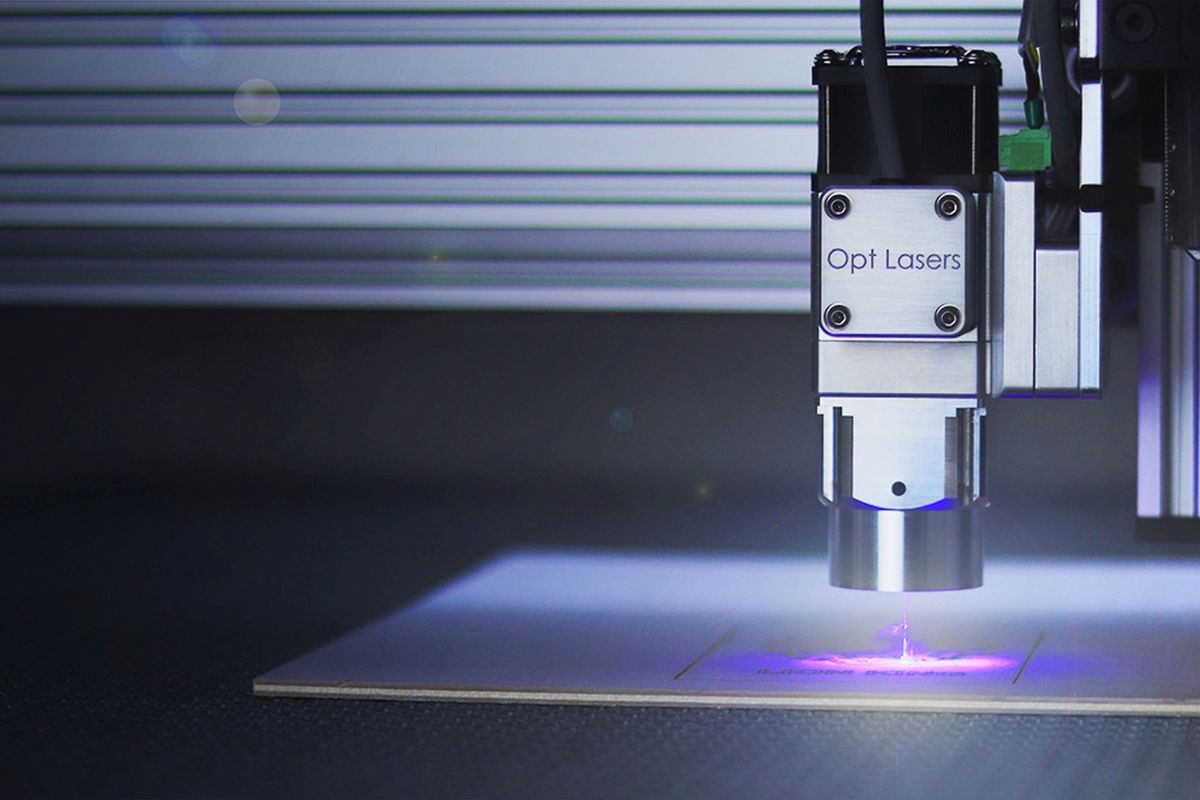
The optical Magnus effect shifts where a tightly focused laser actually hits, a new study with trapped ions has confirmed.
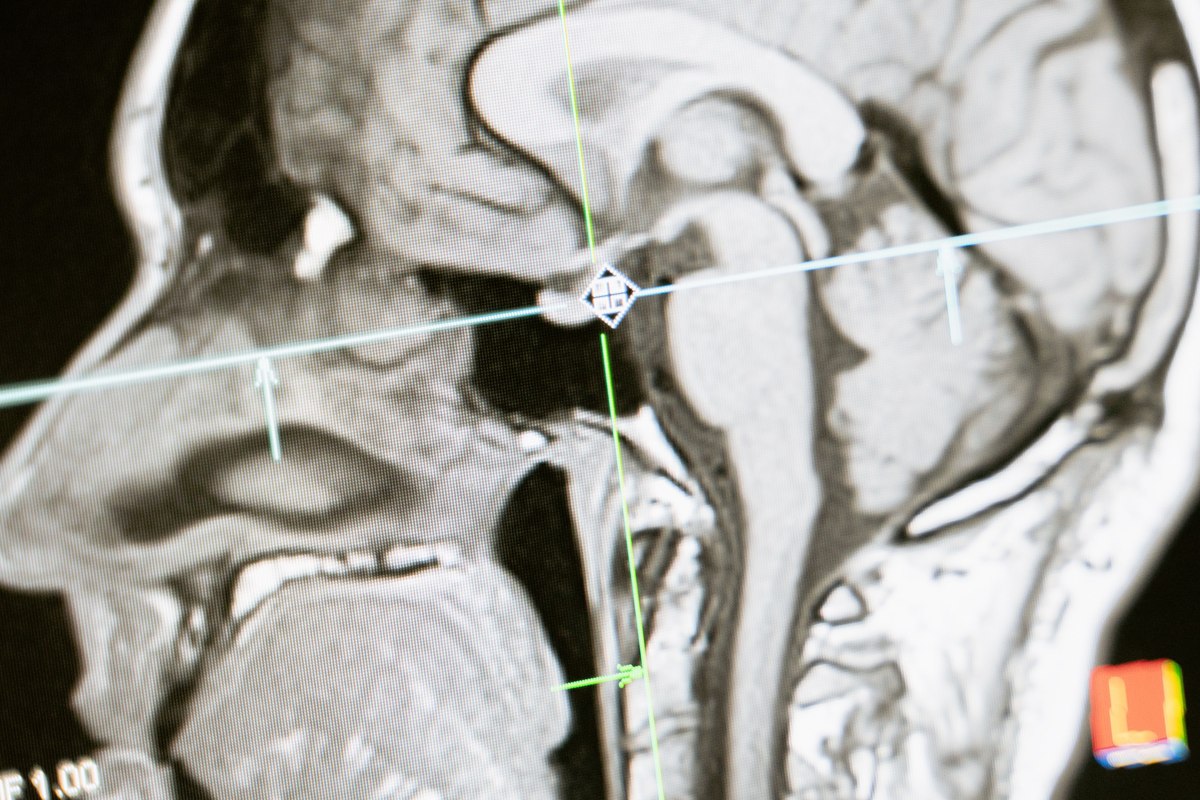
A new Stanford study finds your brain is actually two fused brains, stitched together 600 million years ago, per Nature Neuroscience.